
High Blood Pressure: What It Is, Symptoms, Causes, and What You Should Do
What Is Blood Pressure?
Blood pressure is the force of blood pushing against the walls of your arteries as your heart pumps blood throughout your body. It is measured using two numbers:
- Systolic Pressure (Top Number): The pressure when your heart beats.
- Diastolic Pressure (Bottom Number): The pressure when your heart rests between beats.
A blood pressure reading is written as two numbers, for example, 120/80 mmHg.
What Is High Blood Pressure?
High blood pressure, also known as hypertension, is a condition in which the pressure of blood against artery walls remains consistently higher than recommended.
If left uncontrolled, it can increase the risk of serious health problems, including heart disease, stroke, kidney disease, and other complications.
What Are the Symptoms of High Blood Pressure?
High blood pressure often has no noticeable symptoms. Many people have it without knowing.
In some cases, people may experience headaches, dizziness, or blurred vision, but these symptoms are not reliable ways to identify hypertension.
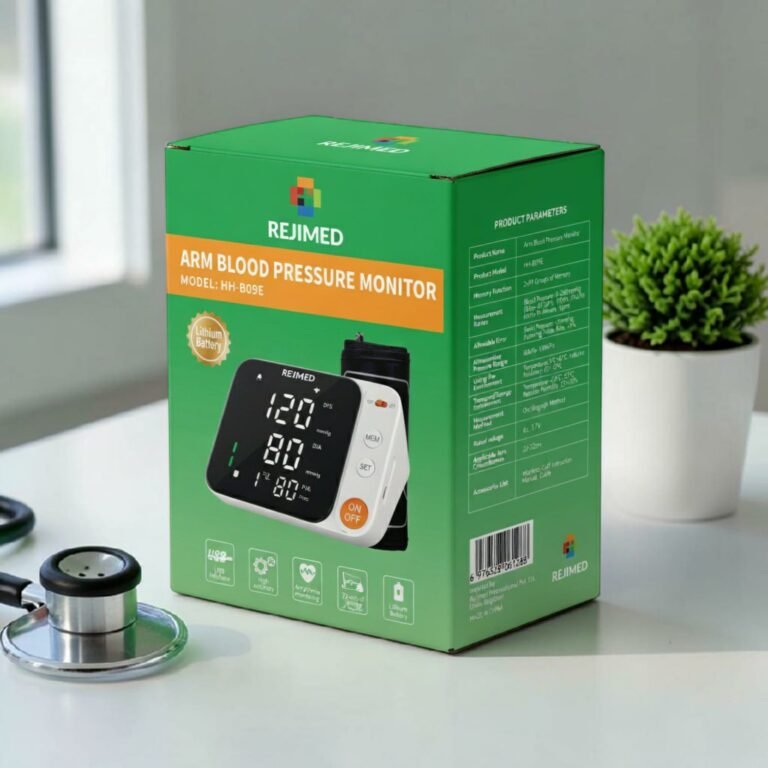
The most reliable way to know your blood pressure is to measure it with a blood pressure monitor.
Common Causes and Risk Factors
Several factors can increase the risk of high blood pressure:
- Eating too much salt
- Lack of regular physical activity
- Being overweight
- Smoking and excessive alcohol consumption
- Long-term stress
- Family history of hypertension
- Increasing age
- Certain medical conditions
What Should You Do to Control High Blood Pressure?
Healthy lifestyle habits can help manage blood pressure:
- Reduce Salt Intake: Avoid adding too much salt to meals and limit highly processed foods.
- Eat a Balanced Diet: Include vegetables, fruits, whole grains, and other nutritious foods.
- Exercise Regularly: Aim for regular physical activity, as advised by your healthcare professional.
- Maintain a Healthy Weight: A healthy weight can support better blood pressure control.
- Avoid Smoking: Smoking increases cardiovascular risks.
- Manage Stress: Try relaxation techniques and maintain a healthy sleep routine.
- Follow Medical Advice: Take prescribed medicines as directed. Never stop or change medication without consulting your doctor.
Why Is Regular Blood Pressure Monitoring Important?
Regular monitoring helps you and your healthcare professional understand your blood pressure patterns and evaluate whether your management plan is working.
For a more accurate reading:
- Avoid caffeine, smoking, and exercise for at least 30 minutes before measuring.
- Sit quietly and rest for five minutes.
- Keep your back supported and feet flat on the floor.
- Support your arm at heart level.
- Use a properly sized cuff on a bare upper arm.
- Take two readings one minute apart and record the results.
Always follow your monitor’s instructions and your healthcare professional’s advice.
When Should You Seek Medical Help?
Consult a healthcare professional if your blood pressure readings are repeatedly higher than recommended.
If your reading is above 180/120 mmHg, wait at least one minute and measure again. If it remains that high, seek immediate medical advice. If you also experience chest pain, shortness of breath, weakness, numbness, vision changes, or difficulty speaking, call emergency services immediately.
Choose a Reliable Blood Pressure Monitor
A home blood pressure monitor can make regular monitoring more convenient. Choose a validated device with a suitable cuff size and follow the manufacturer’s instructions.
At Rejimed, we aim to support better healthcare by providing medical equipment and essential healthcare supplies.
Explore our range of medical equipment and choose the products that support your everyday healthcare needs.
Disclaimer: This article is for general educational purposes only. It does not replace professional medical advice, diagnosis, or treatment. Consult a qualified healthcare professional for personal medical guidance.